Saltar al contenido principal

Automation & CRM

So no enquiry goes without follow-up.

I connect your forms, calendar, WhatsApp and CRM so every enquiry comes in organized, reaches the right person and the follow-up goes out on its own.

Own product · te_Cargo

Who it's for

Businesses that get enquiries across several channels and sort them by hand today.

If you get a few enquiries a week and answer them easily, you don't need this yet.

What's included

  • Automatic follow-up on every enquiry
  • A pipeline showing each client's stage
  • Bookings and calendar connected to the CRM

01 · Operational map

From scattered tools to one system.

WhatsApp, forms, Instagram, spreadsheets and email. Each tool works alone.

02 · Use cases

From problem to system, step by step.

See all use cases

Tap a node to inspect it

Own CRM

The whole operation ran on loose messages.

Bookings, payments and clients were handled through loose messages and separate notes.

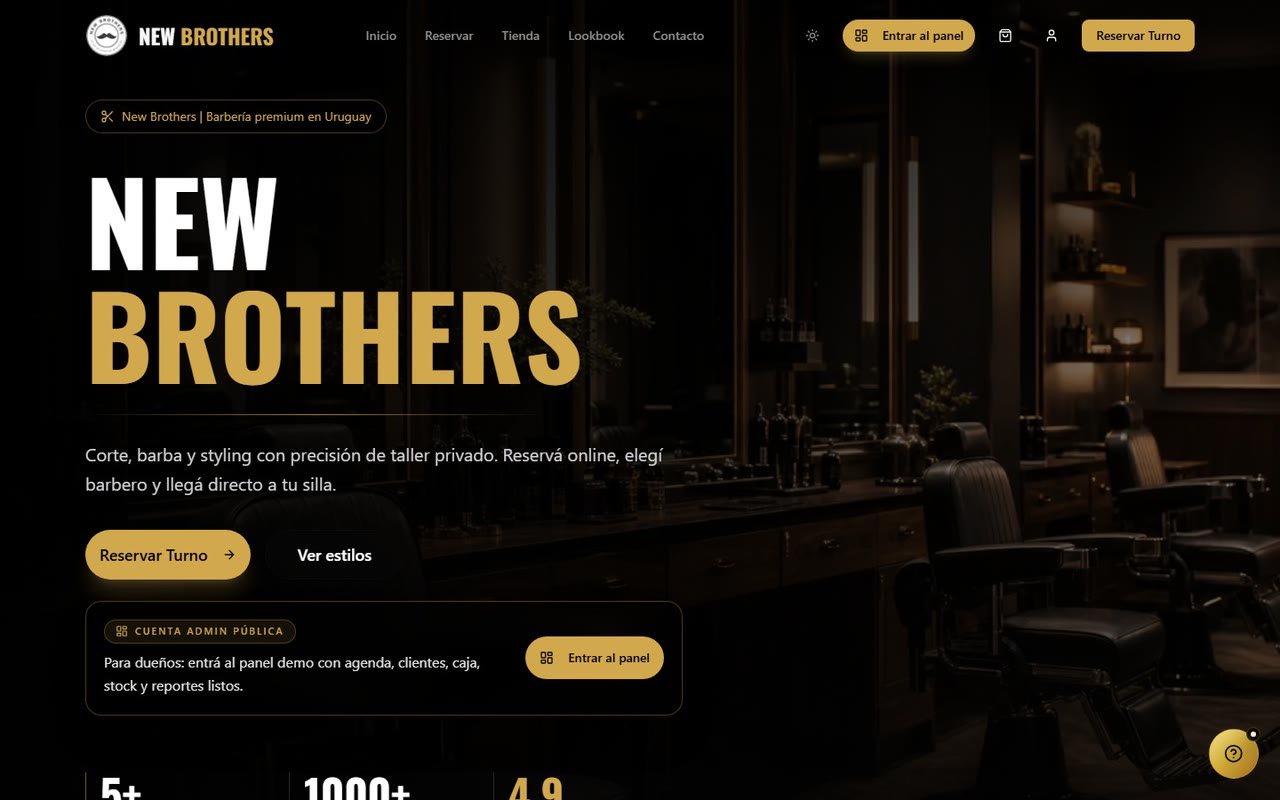
See the New Brothers Barbershop case

Proof, not promises

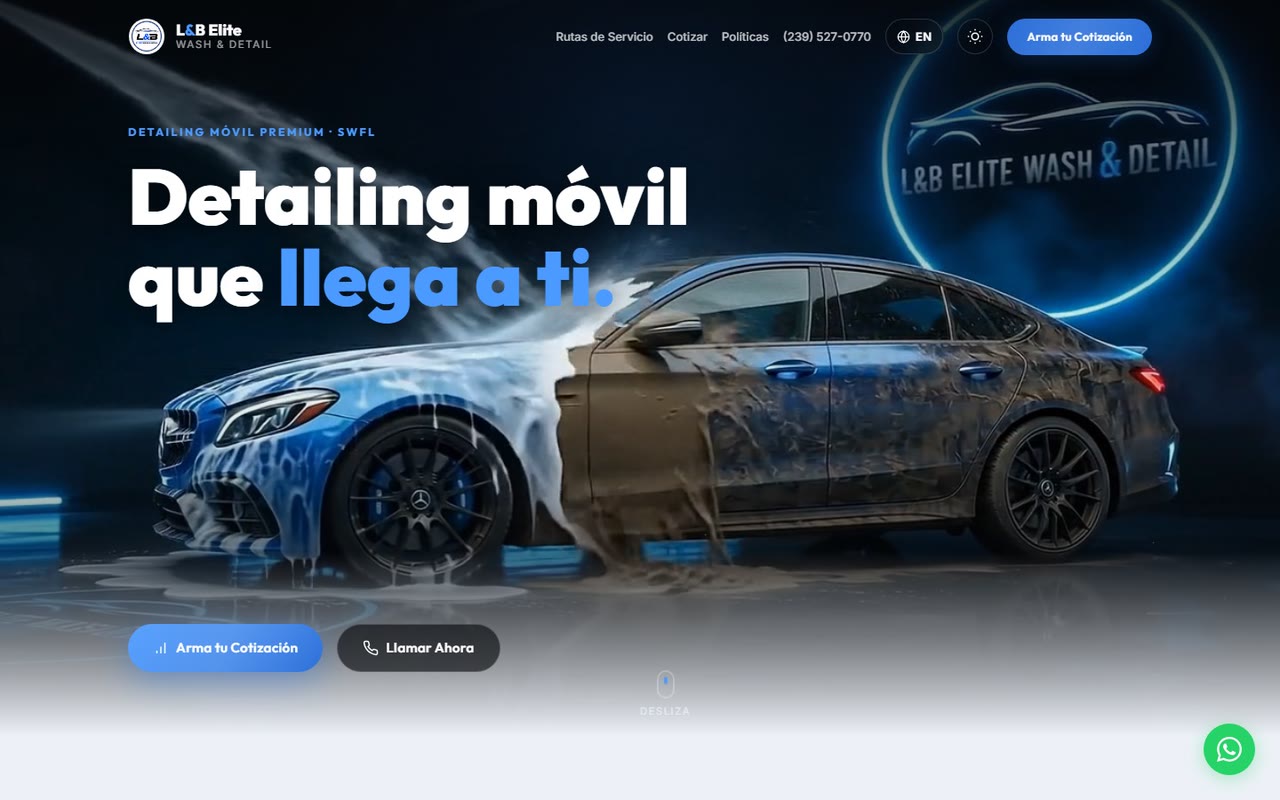
L&B Elite Wash & Detail

4home visits served at once, with no double bookings

It quotes on its own across 88 services and 142 prices, and holds the slot for 15 minutes until payment arrives.

New Brothers Barbershop

14sections in one panel, from the schedule to the payouts

A 6-step booking and its own panel with schedule, clients, cash, stock and payouts.

Oficio

4industries with their own demo: car wash, barbershop, beauty and gym

Schedule, cash, inventory, team commissions and reports in one panel, plus each business's booking site.

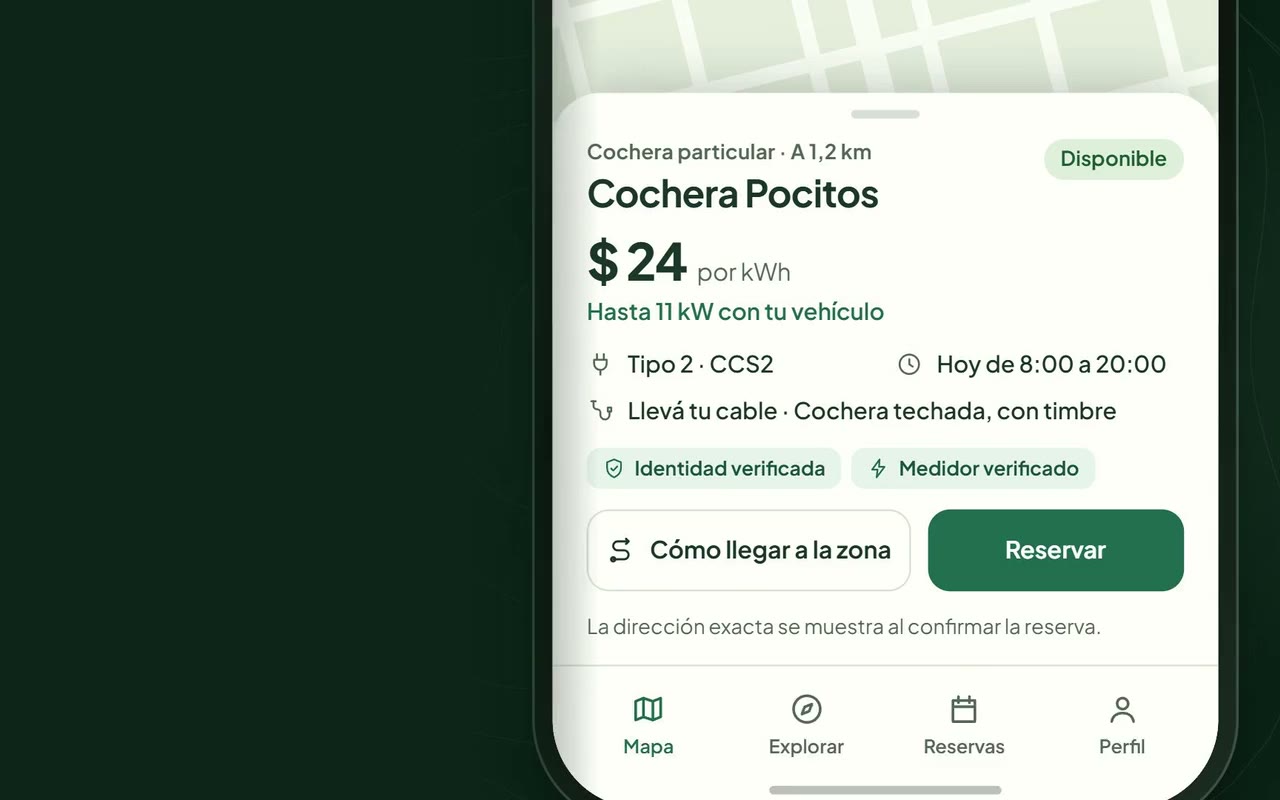
te_Cargo

3profiles in one account: driver, host or both

Map, bookings, charging sessions with evidence and disputes, for drivers and hosts.

How we work

  1. Diagnosis

    I learn how you work today and where time gets lost. We agree on what to build first, and what not to.

  2. Build

    I design, build and connect the pieces. You see real progress along the way.

  3. Handover and maintenance

    I hand over a working system, with accounts in your name. If you want, I stay on for maintenance.

Scope and price are set after the diagnosis.

The right system shows when work stops breaking between tools.

Let's talk about your case

For those who want to see the engine

How I build AI automation

Everything above is what you get. This is how it's built: the tools, how the agents answer, what happens when something fails and where it runs.

The team behind every build

I don't work with a single AI. Each part of the job goes to the model that does it best, and none of them reviews its own work: another one audits it, and I approve it before it ships.

  1. Brief
  2. One model builds
  3. Another audits
  4. I approve
  5. Delivery

On this very site: Codex builds each task on its own branch, Gemini checks the cases and prepares the film kits, Claude reviews and merges, and nothing ships without my OK.

What you see
Codex
It builds interfaces best.
What you don't see
Claude Code
Architecture, data and back-end integrations.
Research and content
Gemini · NotebookLM
Knowledge bases, scripts, and product and market research.
Simple day-to-day tasks
Gemini
Transcription, documents and presentations: it does the job and costs the least.
Scenes and images
Flow
Generated video and images for films and pieces.
Editor
Antigravity · VS Code · Cursor
Whichever the project calls for.

Agents in production

  • Models with a fallback: the New Brothers assistant tries Gemini, then OpenAI, and if both fail it answers with local rules.
  • With the business's own data: that assistant answers from its own knowledge base, and at Fenix scripts come from an internal base of 1,096 public medical videos.
  • Checked outputs: at Fenix every medical claim goes through a register of 109 phrases with allowed and banned wording, and agents run the tests with human review before production.
  • Tools over MCP: that's how my agents work every day with databases, the browser and deployments.
  • In TypeScript, with the Vercel AI SDK.

When something fails

  • When in doubt, it doesn't send: the Fenix form has a fail-closed switch into the CRM, so nothing goes out half-done.
  • Retries without duplicates: at L&B every booking carries an idempotency key, so repeating a request doesn't create two slots.
  • Nothing is confirmed without payment: the slot is held for 15 minutes until a verified payment notice arrives.
  • Everything is logged: in Oficio every cash and inventory movement leaves a trail.
  • A person decides before anything is published or charged: in the content factory a person reviews every piece, and in Oficio the cash drawer is closed by hand.
  • The accounts and access stay in your name.

Where it runs

  • Websites and landing pages on Vercel, like this one.
  • My own systems on my server, with Docker and Caddy: Oficio runs that way, with its own domain and certificate.
  • Security headers (CSP, Referrer-Policy and Permissions-Policy) and a rate limit on this site's form.
The demos you can try are in the Lab

Architectures you can open

Each case has its interactive diagram, with the real system inside.

What I work with

Applied AI
Multi-model AI · OpenAI · Anthropic · Google Gemini · Grok / xAI · Meta · Hermes Agents
Automation
n8n · Make · Zapier · WhatsApp API
Backend & data
Supabase · PostgreSQL · Node.js
Web experiences
Next.js · Three.js · React · TypeScript · JavaScript · HTML5 · Vite · Astro · WordPress · Webflow · Framer · Vercel
Commerce
Shopify · WooCommerce · Stripe
Marketing & measurement
Meta Ads · Google Ads · Google Analytics
CRM & operations
HubSpot · Salesforce · Zoho CRM · GoHighLevel · Pipedrive
Visual direction
DaVinci Resolve · Blender · Figma · Premiere Pro · After Effects · Photoshop · Illustrator · Audition
Infrastructure
Cloud